Central Kalimantan
Indonesia
Blue Swiming Crab Trap
Location & History
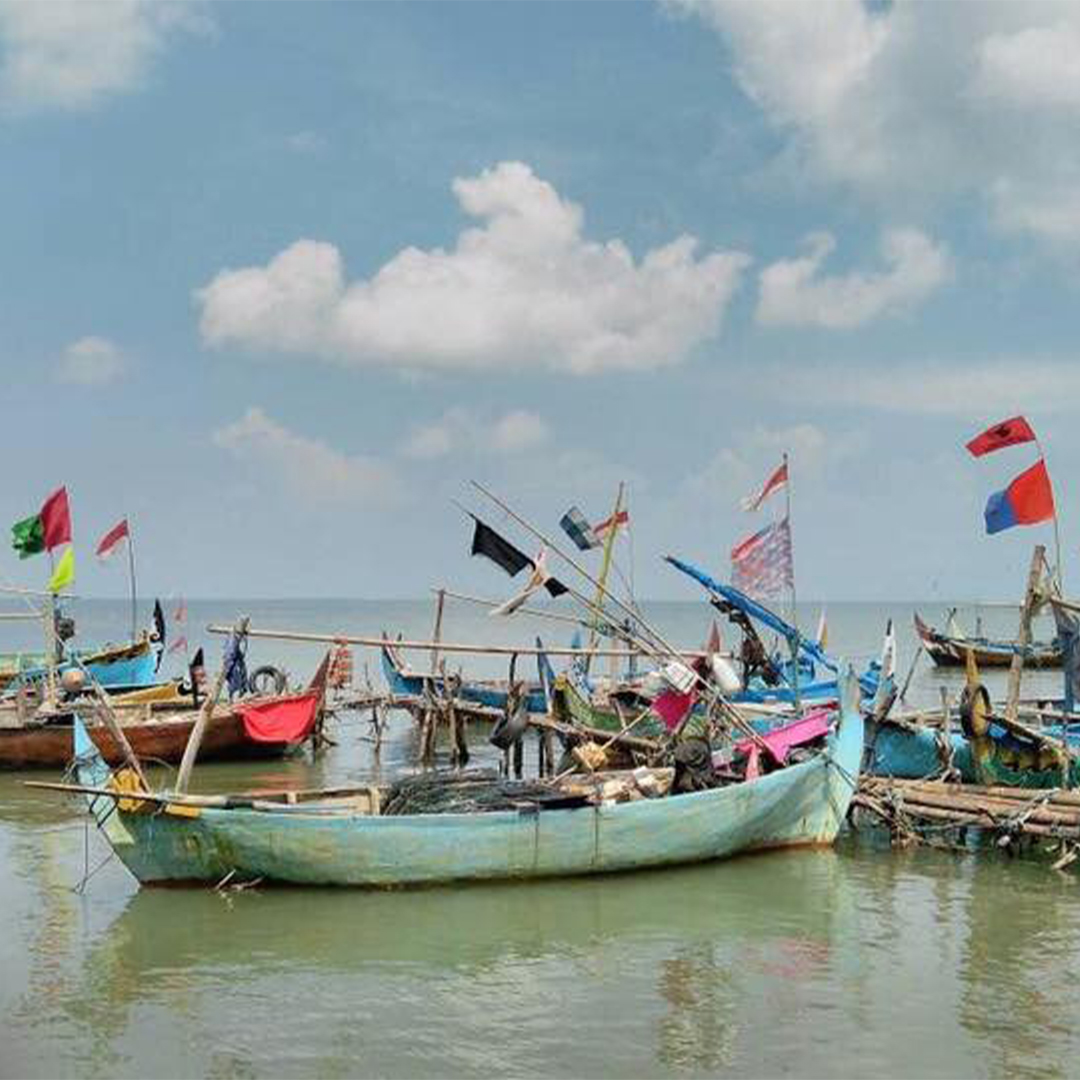
Blue Swimming Crab (BSC) fisheries contribute to the livelihoods of coastal communities throughout Central Kalimantan, particularly in coastal areas bordering the Java Sea. Small-scale fishing activities have developed over time alongside growing domestic and international demand for Blue Swimming Crab products, providing income opportunities for fishers, collectors, and seafood processors.
In collaboration with industry stakeholders and the Indonesian Blue Swimming Crab Association (APRI), initiatives have been implemented to support fishery monitoring, traceability, and data collection programs. These efforts contribute to improving fishery information and supporting responsible resource management practices.
The fishery operates within Indonesia’s Fisheries Management Area 711 (WPP 711), which includes the Karimata Strait, Natuna Sea, and adjacent waters surrounding parts of Central Kalimantan. The region forms part of Indonesia’s broader Blue Swimming Crab supply chain and contributes to both domestic and export markets.
How is the Blue Swimming Crab Caught?
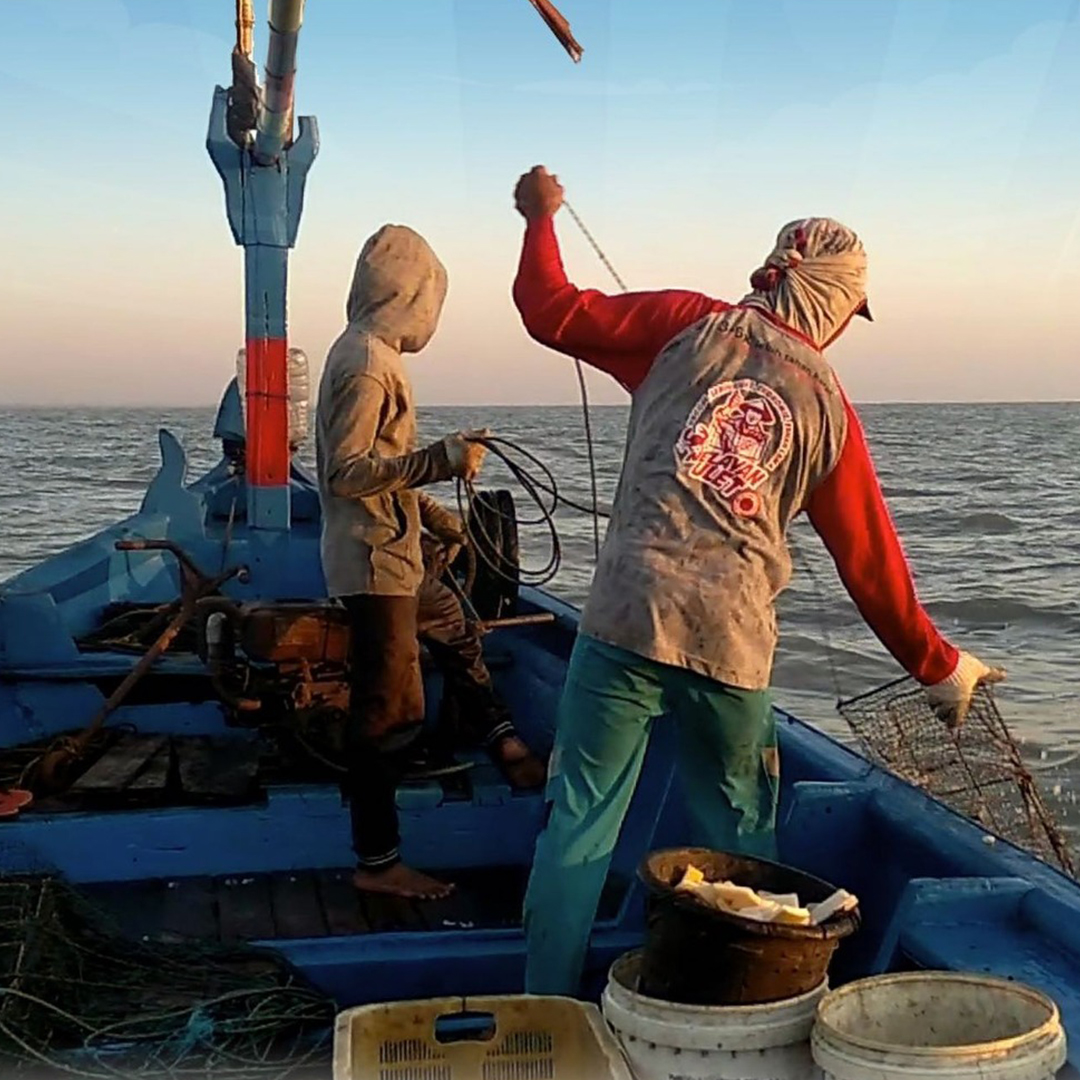
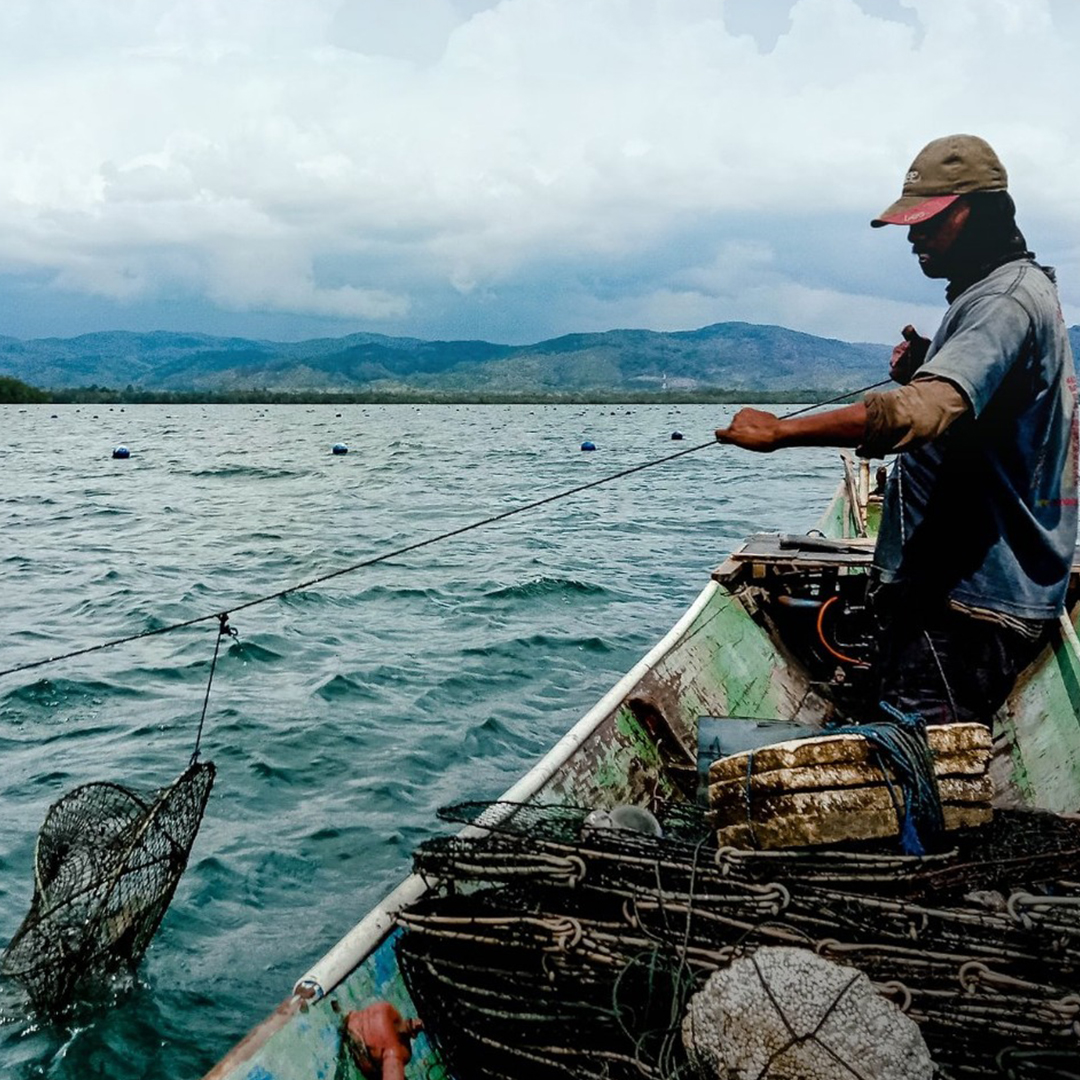
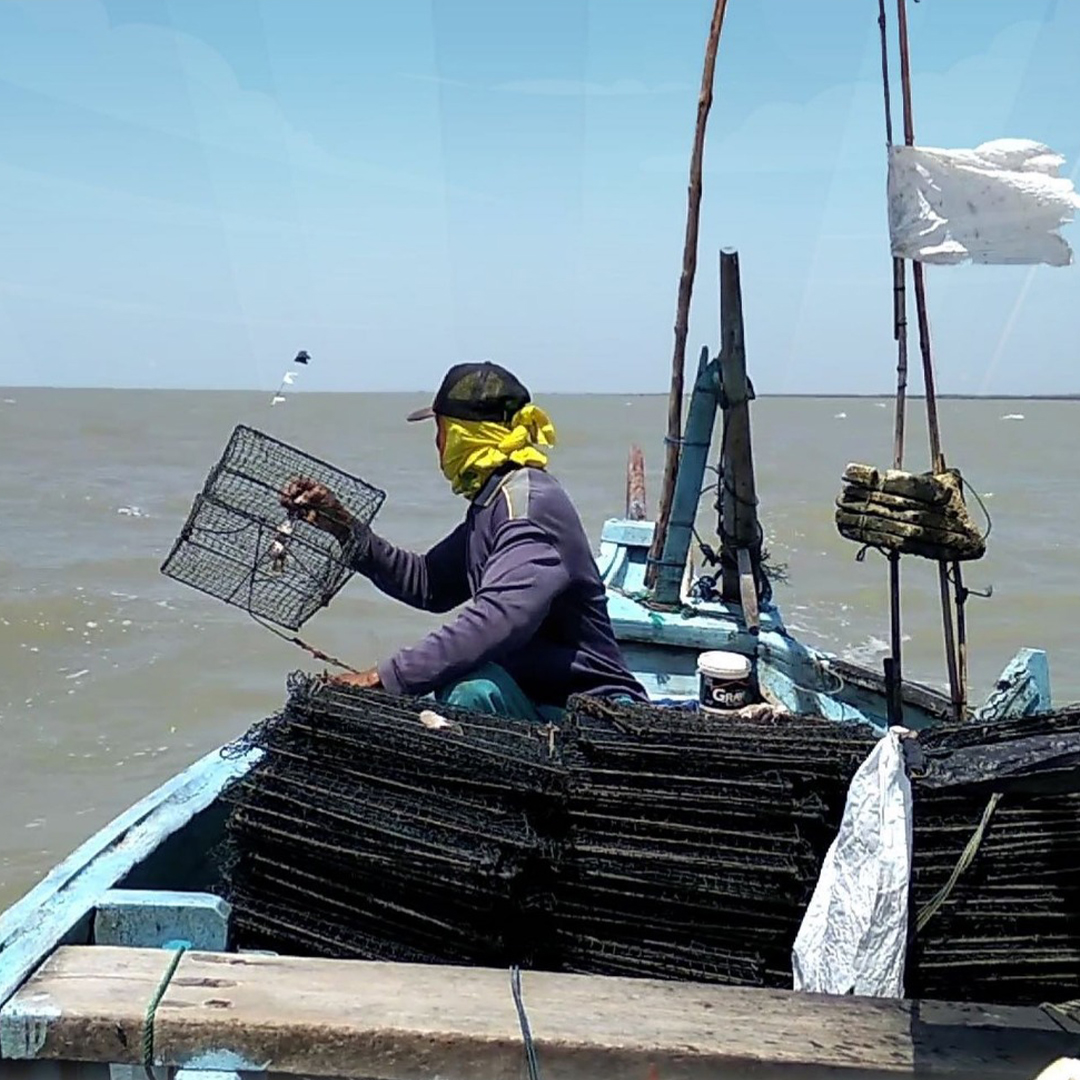
Blue Swimming Crab from this fishery is harvested using baited crab traps operated by small-scale fishers in coastal waters of Central Kalimantan. Trap fishing is a passive fishing method that allows fishers to target crabs while reducing interactions with non-target species and minimizing disturbance to surrounding habitats.
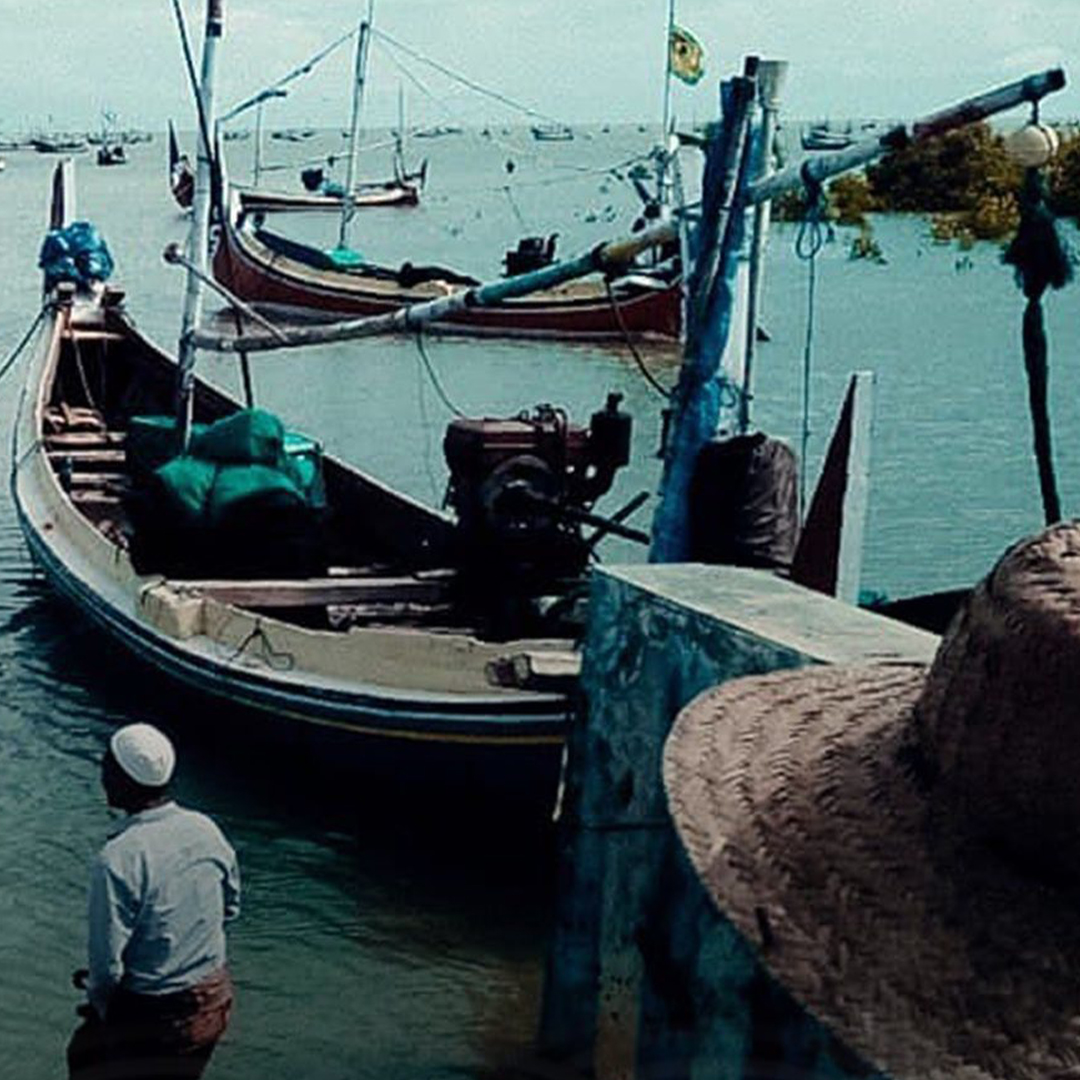
Fishing activities are generally conducted in shallow coastal waters, estuarine areas, and nearshore environments characterized by sandy and muddy seabed habitats that provide suitable conditions for Blue Swimming Crab. Fishers typically operate small vessels on short fishing trips and return catches to local landing sites and collection centers.
Following landing, crabs are sorted according to applicable regulations and buyer specifications. Catch monitoring and data collection programs support efforts to improve understanding of fishery performance and resource utilization.
Unique Features & Fun Fact
The Blue Swimming Crab fishery in Central Kalimantan supports a network of coastal communities that rely on marine resources as an important source of livelihood. Fishing activities contribute to local economies and provide employment opportunities throughout the seafood supply chain.
Central Kalimantan’s coastline is influenced by a combination of estuarine systems, mangrove areas, and shallow coastal habitats connected to the Java Sea and Karimata Strait. These environments provide important habitat for Blue Swimming Crab and a variety of other marine species.
Many fishing communities participate in fishery monitoring and traceability initiatives that support data collection and responsible fishing practices. Collaboration among fishers, processors, researchers, and government stakeholders continues to contribute to ongoing fishery improvement efforts.
Meet The Fishers
Fleet Capacity
Target Species
Blue Swimming Crabs
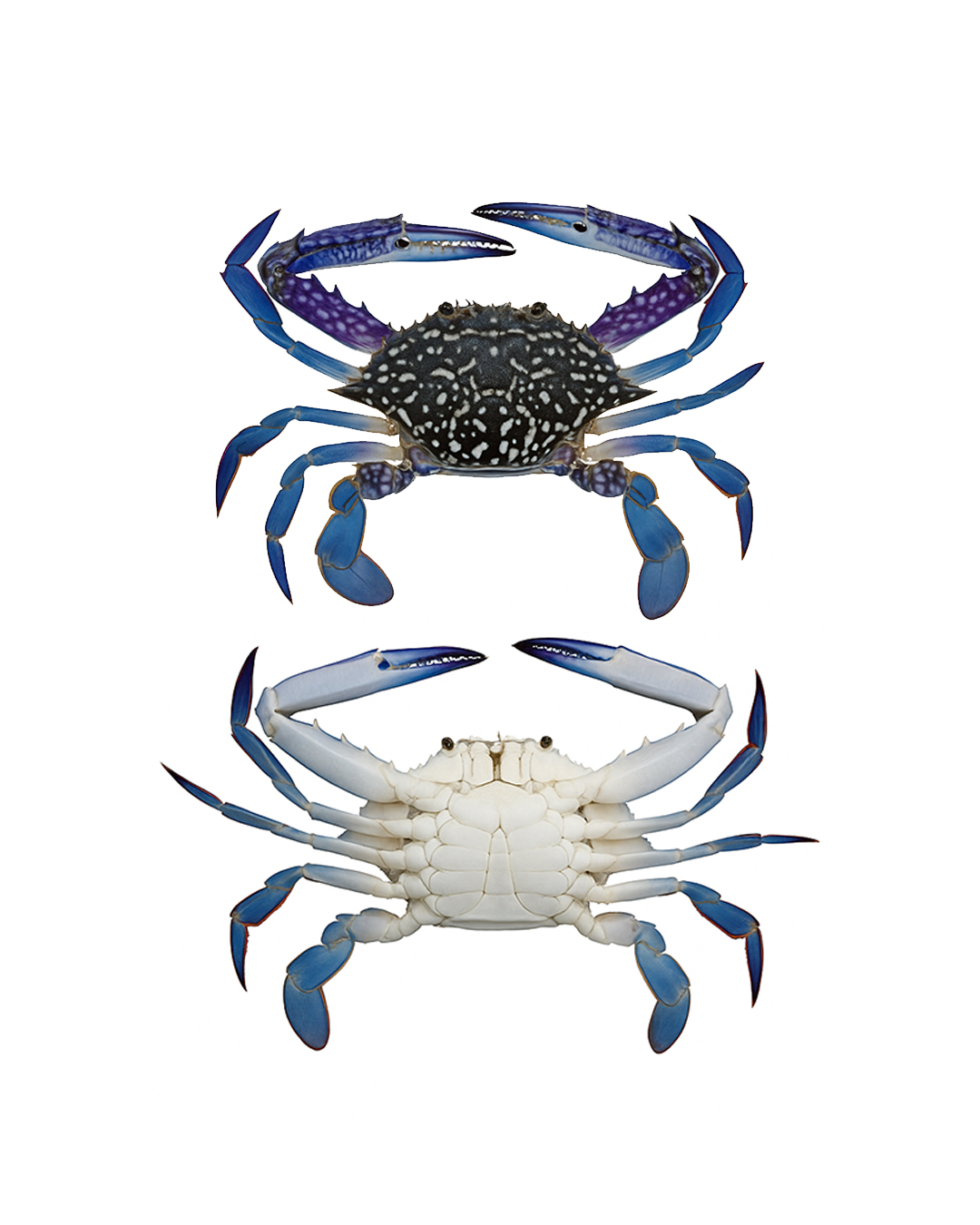
Blue Swimming Crab is a brachyuran crab in the Portunidae family. Crabs from this family are recognized by their flattened paddle-like hind legs used for swimming and the series of spines located along the sides of their carapace. Males are typically bright blue with white markings and elongated claws, while females generally display a greenish-brown coloration with a broader and more rounded shell.
Blue Swimming Crab (Portunus pelagicus) is widely distributed throughout tropical and subtropical waters of the Indo-Pacific region. The species inhabits shallow coastal waters including sandy bottoms, mudflats, estuaries, seagrass areas, and habitats adjacent to mangrove ecosystems. It matures relatively quickly, typically within one year, and has a lifespan of approximately three years.
In Central Kalimantan, Blue Swimming Crab is valued for its sweet flavor and delicate white meat. The fishery relies on wild crab populations harvested from coastal waters using traditional trap fishing methods.
Fishing Gear
Fishing Gear
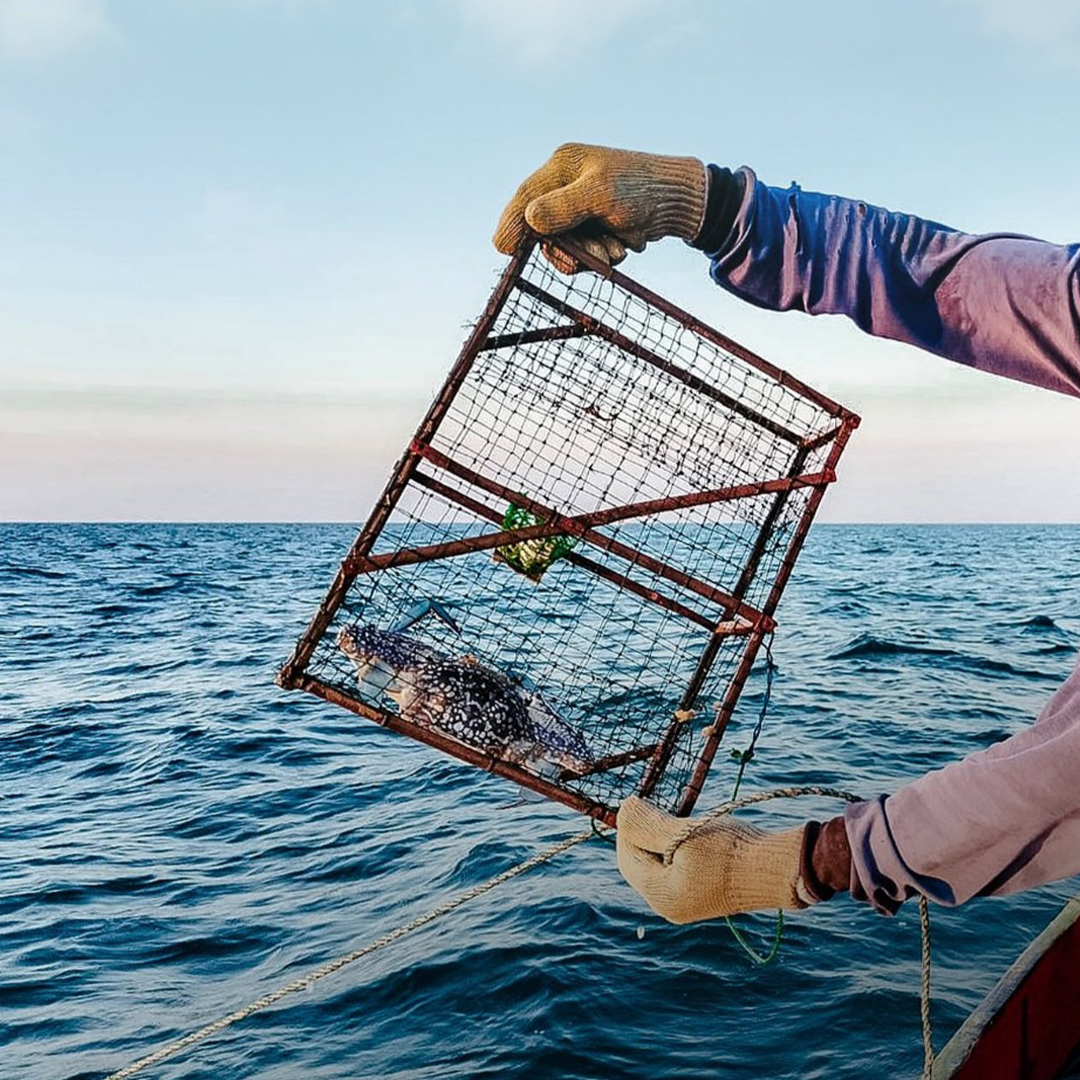
Fishing techniques for Blue Swimming Crab vary but primarily involve the use of traps. Fishers deploy baited traps in shallow coastal waters to target crabs selectively, minimizing bycatch and environmental impact. Traps designed to minimize habitat damage and allow for the release of undersized crabs. These traps are checked frequently to ensure captured crabs remain healthy and to reduce mortality rates. Traps are round or square-shaped (depending on the locality), usually measure 32 × 51 × 21 cm, are made of wire mesh or a galvanized steel frame with two funnel entrances, and are sometimes covered by a polyethylene, green, square- or diamond-shaped net. Typically, there are 150 to 400 baited traps (with fish pieces)—the number limited only by the size of the boat—that are connected to a main line, and these are set by boat on sandy bottoms to depths of 20–50 m. Traps are soaked overnight and the catch is collected on-site.
Fishery Association
What is an industry association?
Industry associations are organizations responsible for promoting and enforcing standards, regulations, and best practices within a specific sector. These associations support businesses by providing resources, educational programs, and advocacy to ensure industry compliance and growth. Additionally, they engage in lobbying efforts to influence policymakers on issues affecting the industry.
Asosiasi Pengelolaan Rajungan Indonesia (APRI)
The Asosiasi Pengelolaan Rajungan Indonesia (APRI) was established to unify and represent the Blue Swimming Crab (BSC) industry in Indonesia. As a key player in promoting sustainability and best practices, APRI ensures that the harvest and processing of BSC align with international standards. Its members include fishers, processors, and exporters, reflecting the entire supply chain.
APRI focuses on creating sustainable fisheries through measures such as promoting the use of traps and gillnets, ensuring traceability, and supporting data-driven fisheries management. The association works closely with government bodies, NGOs, and international organizations to implement conservation strategies that benefit both the marine ecosystem and the livelihoods of coastal communities.
In addition, APRI actively participates in educational programs, training sessions, and resource management initiatives to support its members. Through these efforts, APRI is committed to building a sustainable future for Indonesia’s Blue Swimming Crab fishery while ensuring compliance with international market requirements.
Regional Fisheries Management in Central Kalimantan
Blue Swimming Crab Fisheries in Central Kalimantan
Blue Swimming Crab fisheries in Central Kalimantan are managed under Indonesia’s national fisheries regulations established by the Ministry of Marine Affairs and Fisheries. Management measures include minimum legal size requirements, protection of egg-bearing females, and harvest control measures outlined in Indonesia’s national Blue Swimming Crab management framework.
The fishery operates primarily within Fisheries Management Area 711 (WPP 711). Monitoring activities, fishery data collection, and stock assessment programs contribute to ongoing efforts to improve understanding of stock conditions and fishing activities within the region.
Blue Swimming Crab fishing activities are generally conducted in nearshore coastal waters characterized by sandy and muddy substrates. Baited crab traps are commonly used by small-scale fishers targeting Blue Swimming Crab throughout coastal communities in Central Kalimantan.
Industry organizations such as APRI collaborate with fishers, collectors, processors, researchers, and government stakeholders to support traceability systems, fishery monitoring, and responsible fishing practices. These initiatives aim to strengthen compliance with applicable regulations and support continued access to international seafood markets.
Through these combined efforts at national, regional, and industry levels, the Central Kalimantan Blue Swimming Crab fishery continues to support coastal livelihoods while contributing to the ongoing development of responsible fisheries management in Indonesia.